



If just a few years ago someone had asked me whether buying property in Cuba as a foreigner was possible, the answer would have been short and nuanced. Today it still has nuances, but the answer is much more interesting.
Cuba is undergoing one of the most significant legal transformations of recent decades. The new immigration and foreigners laws published last May introduce concepts that modify the relationship between the country, Cubans residing abroad, and foreigners interested in living or investing on the island. Among these, one stands out and is appearing with increasing frequency in real estate discussions: effective migratory residency.
For those observing the market from the outside, it is no longer just a question of whether one can buy a home in Cuba, but what path one should follow to do so.
Effective immigration residency, a change that alters everything
Many media outlets have summarized the reform as “the 180-day law.” However, the legal reality is somewhat more complex.
The regulations introduce the concept of effective migratory residence , a status that certifies that a person resides habitually in Cuba. According to the regulations of the Migration Law, the immigration authority can recognize this status when a person accumulates more than 180 days of stay in the country during a year, without those days needing to be consecutive.
There is also an alternative route . Those who have accumulated more than 120 days can apply for recognition of effective residence if they demonstrate ties to the country through family links, economic activity, investments, bank accounts, housing, or other elements that demonstrate a stable relationship with the country.
There is an important detail to understand from the outset: reaching 180 days does not automatically grant residency. Effective residency serves as a basis for certain immigration procedures, but it does not replace the residency categories recognized by law.
So, is it possible to buy property in Cuba as a foreigner?
The short answer is yes, although not just any foreigner or under any circumstances.
The new regulations create a much more open scenario than the one that existed until now. Immigration legislation establishes that foreigners with temporary or permanent residency enjoy economic rights comparable to those of Cuban citizens, except for limitations related to political rights and public office. Among these rights is the possibility of acquiring real estate. This interpretation is supported by the legal analysis of the new laws and by the very philosophy of the reform.
Added to this is the new Housing Law, approved in 2026, which expands the possibilities of purchase and rental for foreign individuals and legal entities.
In other words: Cuba has begun to build a legal framework that allows foreigners to acquire property under certain conditions of residence, investment or economic ties with the country.
The main ways to access a property
Currently, several paths are possible. The first involves obtaining the appropriate immigration status, either temporary or permanent. For many people interested in settling in Havana or developing an economic activity in Cuba, this will be the most logical route.
The second avenue relates to new categories for investors and businesses. The Cuban government created a specific immigration status for Cuban citizens residing abroad and other individuals linked to economic investments in the country. Some of these provisions began to be implemented even before the general entry into force of the new laws.
There are also options associated with real estate projects, tourism developments, and specific investment zones where foreigners have historically been able to acquire properties through specific forms of ownership, usufruct, or surface rights. The economic reforms approved in 2026 further expand the possibilities for real estate businesses and tourism-related developments.
Can a tourist initiate the process?
Yes. This is one of the points that generates the most inquiries.
The new legislation allows a foreigner in Cuba as a tourist to request a change in immigration status without leaving the country. The initial stay remains at 90 days, extendable for another 90. Additional extensions can then be requested under certain circumstances, up to a total of one year of authorized stay.
The important thing is to act before the current permit expires. Remaining in an irregular situation can complicate any subsequent proceedings.
For many people interested in buying a home, this mechanism opens a practical door: arriving in Cuba, getting to know the market, studying areas, starting immigration procedures and moving towards a legal status that allows a future acquisition.
What has not yet changed
It’s important to maintain realistic expectations. The opening of the Cuban real estate market does not mean total or immediate liberalization.
The legislation maintains limits on the accumulation of property . It also preserves restrictions related to agricultural and forestry land, whose ownership continues to be protected by specific regulations that prevent its transfer to foreigners. In this area , mechanisms such as usufruct or certain usage concessions continue to predominate.
Furthermore, the practical implementation of many provisions will depend on regulations, administrative procedures, and criteria that will continue to be developed over the coming months. The laws already exist; practical experience is still being built. This reality is part of the current context.
Why are so many people looking towards Havana now?
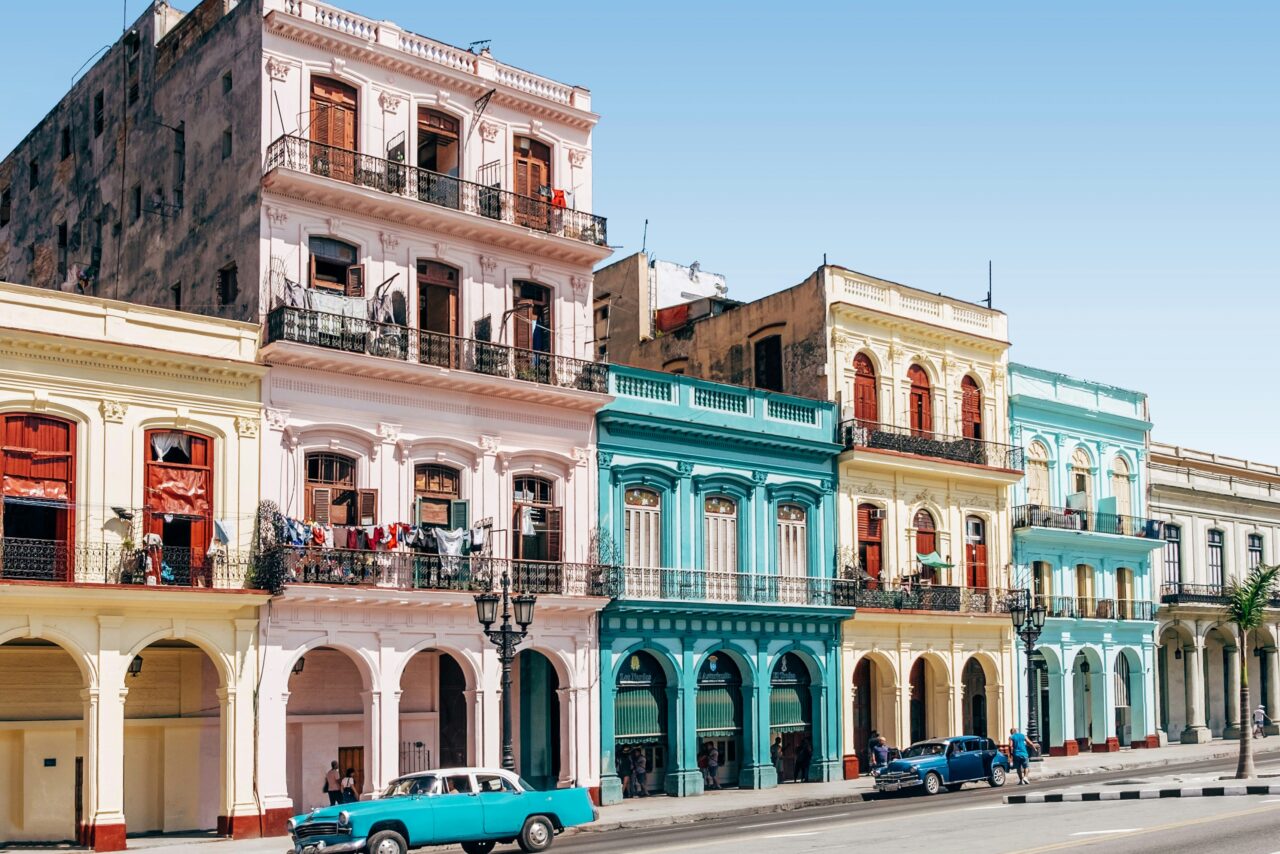
The answer has a lot to do with timing. The legal changes come as Havana’s real estate market shows signs of recovery . Neighborhoods like Vedado, Miramar, and certain areas of Old Havana are once again attracting interest from Cubans living abroad, entrepreneurs, and international buyers.
Anyone analyzing Cuba today finds something unusual in other markets: a complex environment, yes, but also a city with enormous architectural heritage, prices that still do not reflect its full potential, and a legal framework that is beginning to open up after decades of restrictions.
That doesn’t eliminate the risks. Nor does it eliminate the need for legal advice, local support, and a detailed analysis of each transaction. But it does create opportunities that weren’t even on the table a few years ago.
One last observation
Buying property in Cuba as a foreigner is no longer an impossible exception. New laws have created mechanisms that allow foreigners to build a life project, investment, or residence with greater legal security than in the past.
There are still questions to be answered. We’ll see adjustments, regulations, and new interpretations. But the change is already underway.
And as is often the case in times of transition, those who understand the rules before others usually come in with an advantage.

Leave a Reply